Back to Projects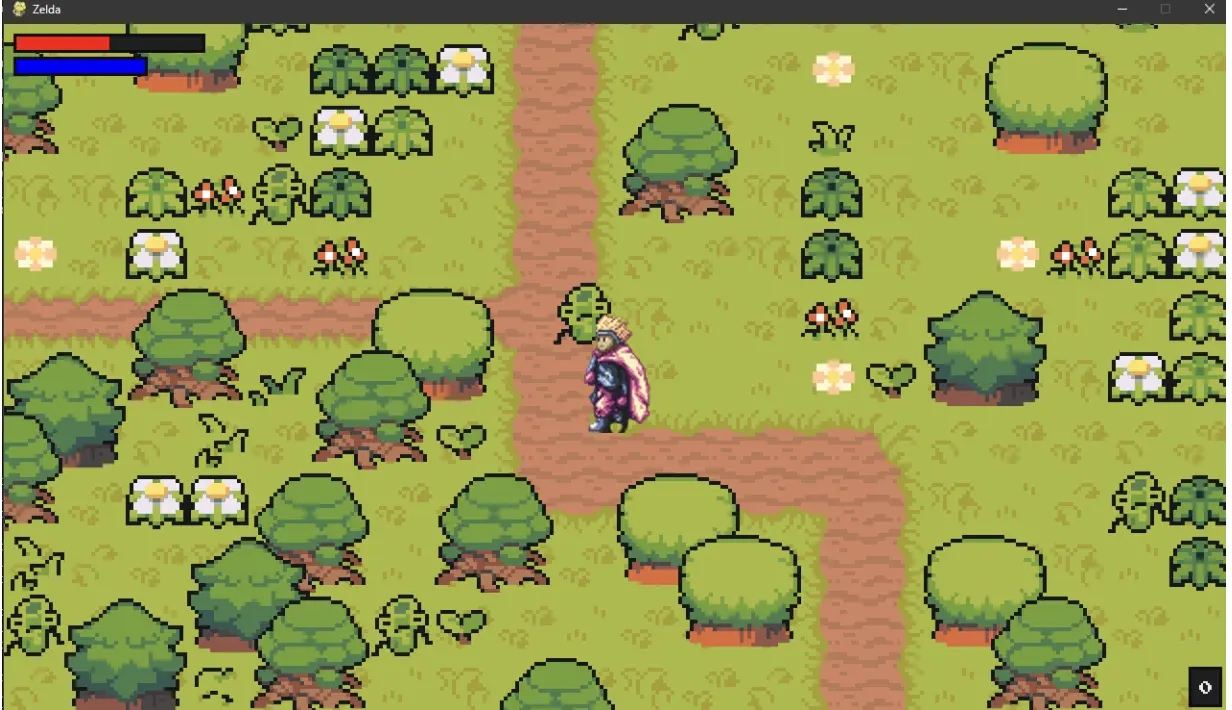

Zelda RPG
A Python Pygame 2D action RPG inspired by Legend of Zelda, featuring real-time combat with 5 weapons, magic spells, 4 enemy types, and character progression.
The Problem
Learning game development through tutorials only teaches isolated concepts like rendering, collision, and AI without showing how they integrate into a complete game. Building a full action RPG from scratch requires understanding how game loops, entity systems, physics, rendering, and AI all work together in a real-time interactive application.
The Approach
I chose to build a complete Zelda-inspired RPG as a learning project, implementing every system from scratch using Pygame. The game is structured around an object-oriented Entity system where all game objects (player, enemies, weapons, particles) share a common base class but override behavior through polymorphism. This made the codebase extensible as complexity grew.
Technical Details
Python with Pygame handles the game loop, rendering, and input. The Y-sort camera system renders sprites by their Y-coordinate for correct depth overlap. Enemy AI uses finite state machines with distance-based transitions between idle, patrol, chase, and attack states. The tile map system loads from TMX files for level design flexibility. Sprite animations use frame-based systems with directional variants for smooth multi-directional movement.
The Outcome
Completed a fully playable 2D action RPG with 5 weapons, 2 magic spells, 4 enemy types with distinct AI, an attribute upgrade system, particle effects, audio integration, and a tile-based explorable world. The project solidified my understanding of game architecture patterns, real-time rendering, and AI behavior design — fundamentals that apply beyond game development to any interactive system.
Related Projects
Pneumonia X-Ray Classification
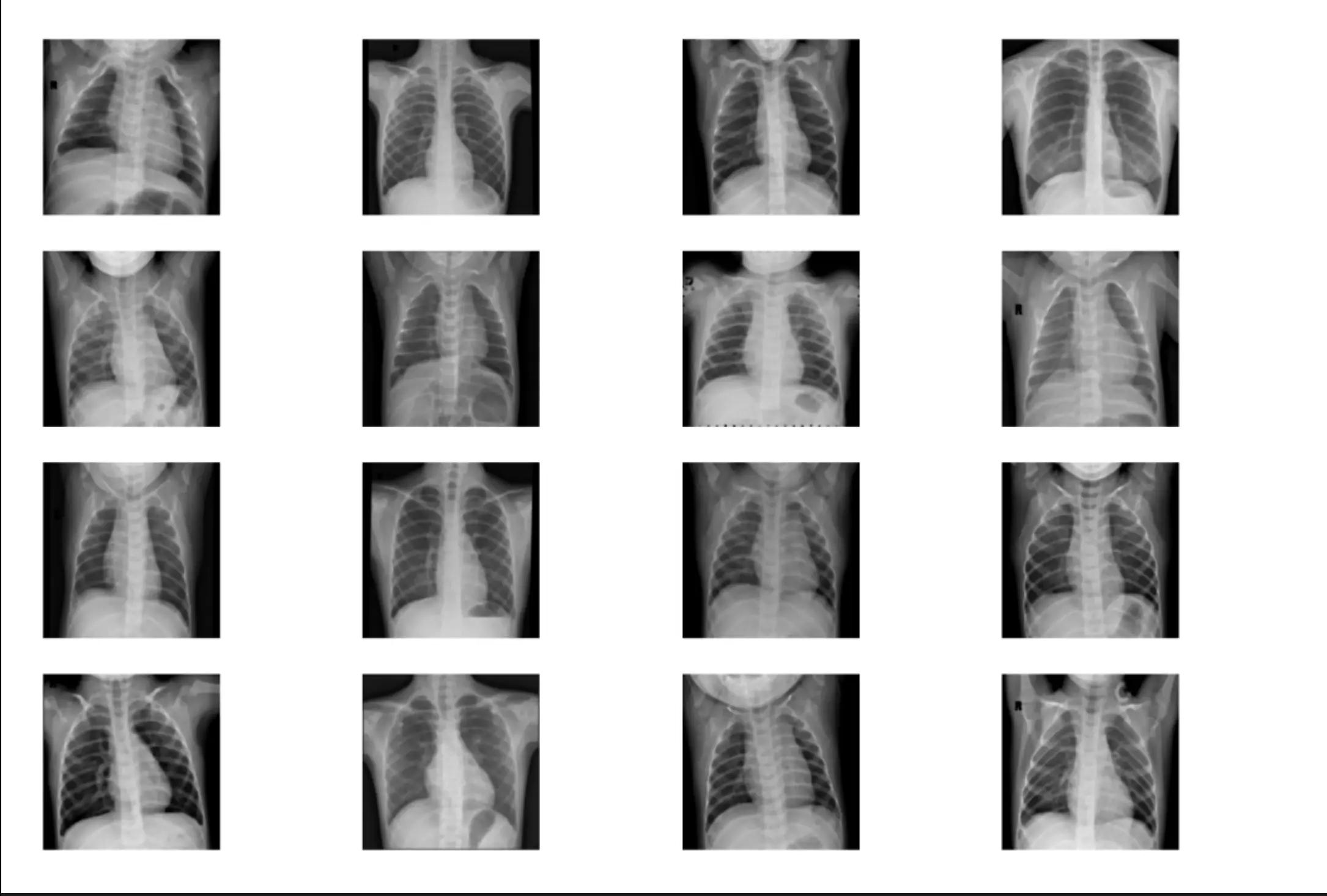
A deep learning comparative study of Simple NN, CNN, and Residual CNN architectures classifying chest X-rays as Normal or Pneumonia with TensorFlow and Keras.
Word Probability Calculator
A cross-language text analysis tool implementing word probability calculation with stopword filtering in Java, Python, and JavaScript for comparative study.
Recommendation System
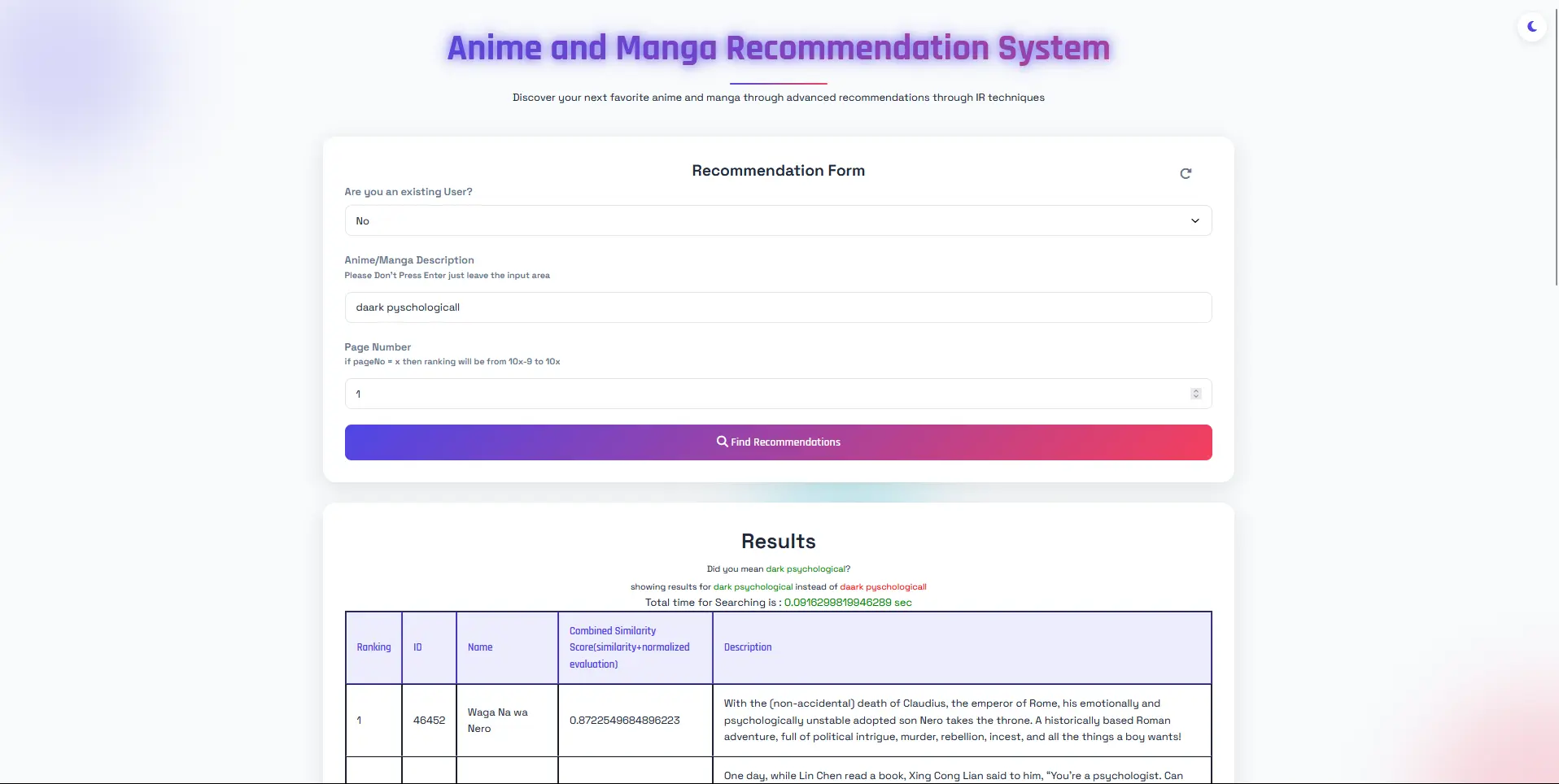
An information retrieval system recommending anime and manga via TF-IDF vector similarity, query spell correction, inverted indices, and feedback refinement.