Back to Projects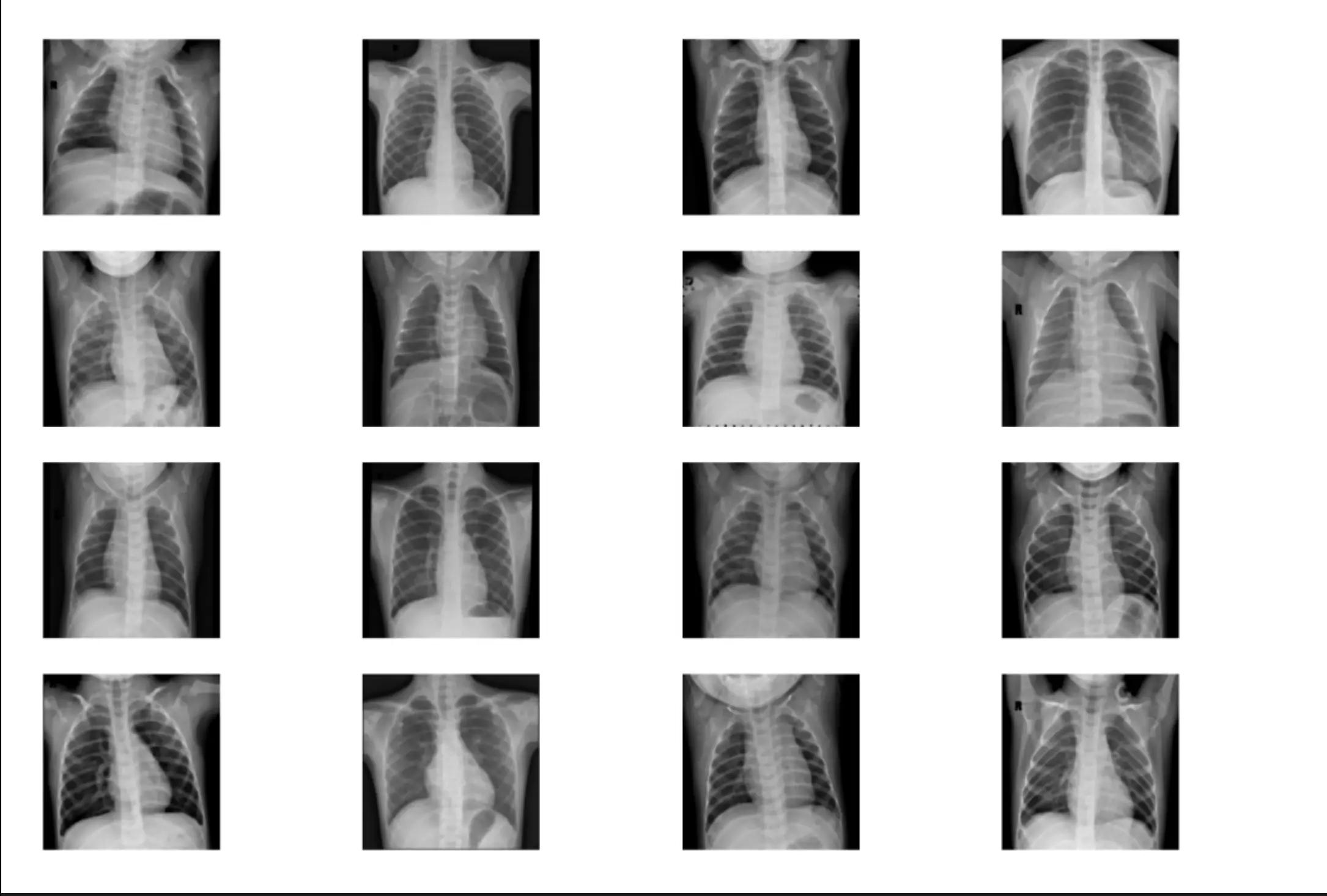

Pneumonia X-Ray Classification
A deep learning comparative study of Simple NN, CNN, and Residual CNN architectures classifying chest X-rays as Normal or Pneumonia with TensorFlow and Keras.
The Problem
Manual chest X-ray screening for pneumonia is time-consuming and subject to human error, especially under high-volume conditions. Understanding which neural network architectures perform best for medical image classification helps inform the development of automated diagnostic aids that could support radiologists.
The Approach
I implemented three models of increasing complexity (a Simple Neural Network, a standard CNN, and a CNN with Residual Connections) to systematically study how architecture affects classification performance on medical images. Each model uses identical training data and augmentation pipelines for fair comparison.
Technical Details
TensorFlow/Keras provides the deep learning framework with custom training loops for fine-grained control. OpenCV handles image loading, resizing, and augmentation (rotation, zoom, flip, brightness). Data augmentation is essential given the limited dataset size typical of medical imaging. The Residual CNN uses skip connections to enable deeper networks without vanishing gradients. Evaluation uses scikit-learn for confusion matrices, classification reports, and ROC curve analysis.
The Outcome
Completed a comparative study showing that the Residual CNN outperforms both the Simple NN and standard CNN for pneumonia classification, with the residual connections providing measurably better gradient flow during training. The comprehensive evaluation framework (confusion matrices, precision/recall, ROC curves) provides clear evidence for model selection in medical imaging applications.
Tech Stack
Related Projects
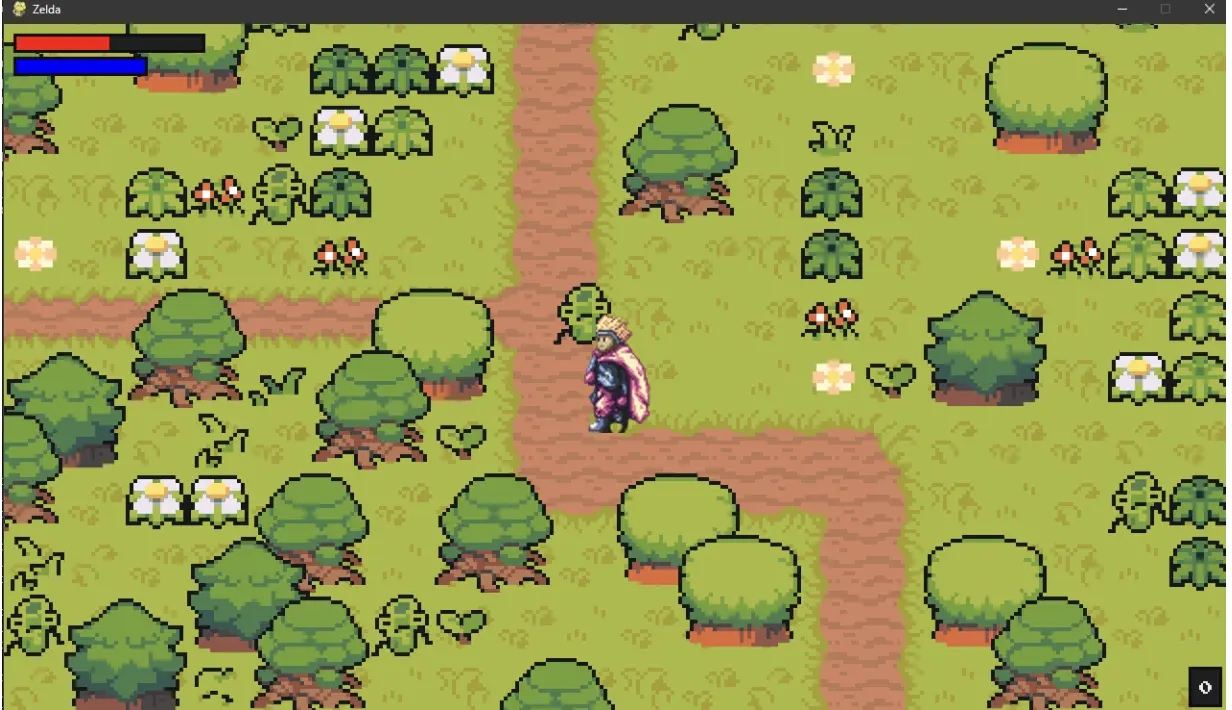
Zelda RPG
A Python Pygame 2D action RPG inspired by Legend of Zelda, featuring real-time combat with 5 weapons, magic spells, 4 enemy types, and character progression.
Word Probability Calculator
A cross-language text analysis tool implementing word probability calculation with stopword filtering in Java, Python, and JavaScript for comparative study.
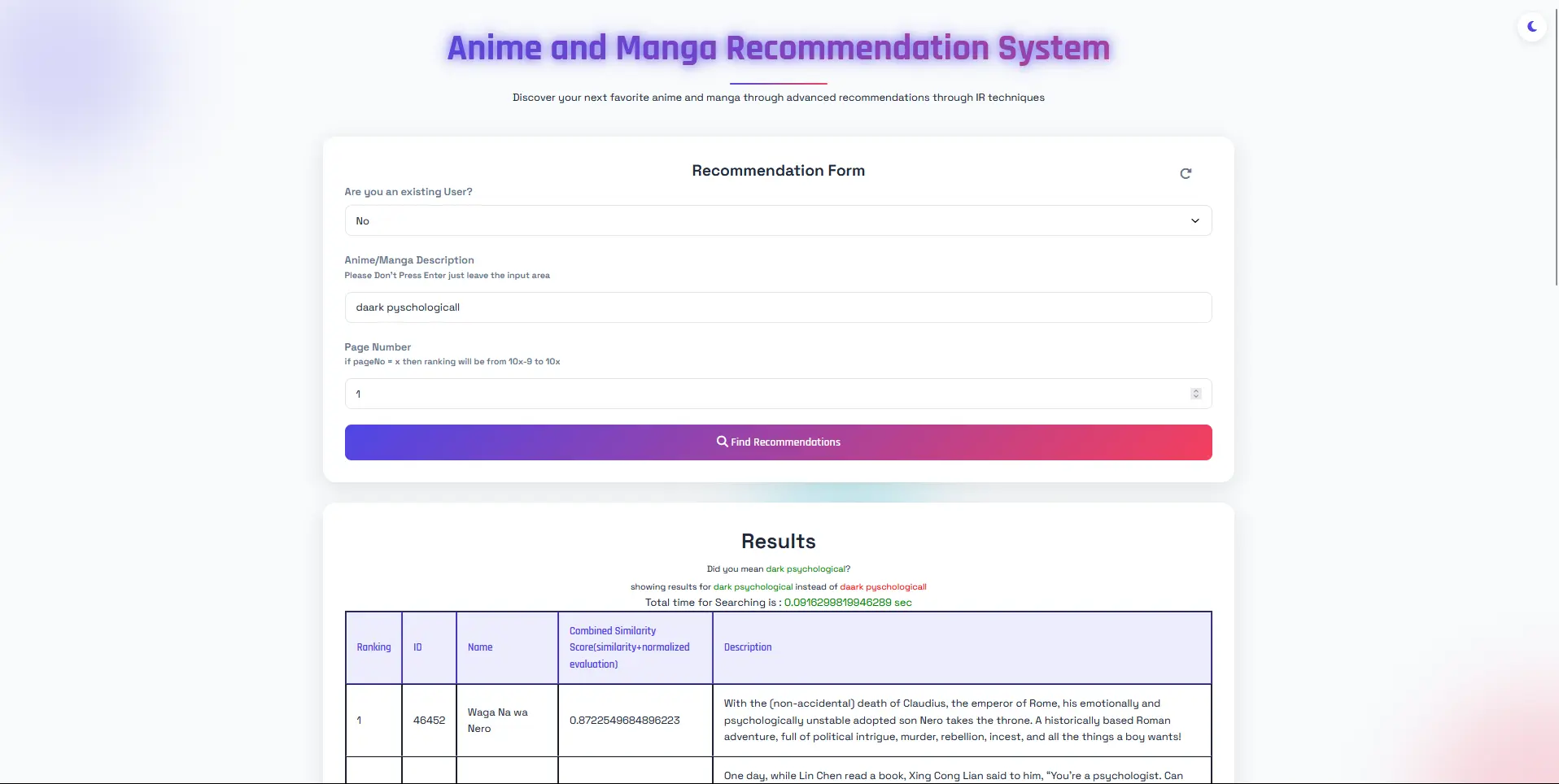
Recommendation System
An information retrieval system recommending anime and manga via TF-IDF vector similarity, query spell correction, inverted indices, and feedback refinement.