Back to Projects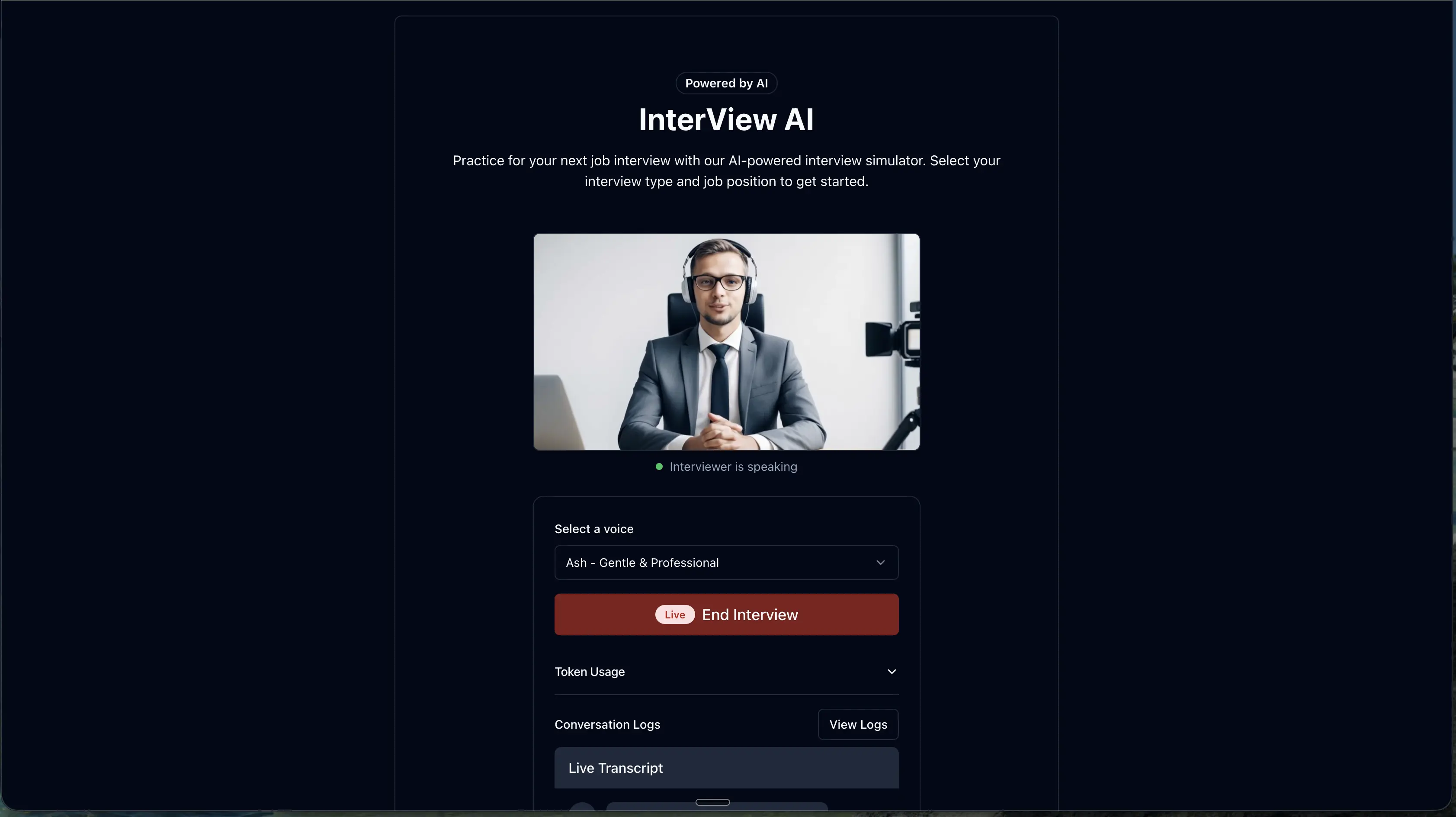

InterView.ai
An AI voice interview simulator using OpenAI's Realtime API and WebRTC for realistic practice with live feedback across technical, behavioral, and HR rounds.
The Problem
Text-based interview preparation tools fail to simulate the pressure and improvisation of real interviews. Candidates need to practice speaking their answers aloud, handling follow-up questions, and managing the conversational flow — skills that typing into a chatbox simply cannot develop.
The Approach
I built a voice-first interview platform using OpenAI's Realtime API with WebRTC for low-latency audio streaming. The system is designed around interview types (technical, behavioral, system design, HR) with question banks tailored to specific industries and job levels. Each session feels like a real conversation because the AI adapts its follow-up questions based on the candidate's spoken responses.
Technical Details
Next.js provides the frontend with Framer Motion for polished transitions between interview stages. WebRTC handles browser-to-API audio streaming with echo cancellation and noise suppression. OpenAI's Realtime API processes speech and generates contextually aware follow-up questions in real time. The feedback engine analyzes the full transcript post-session, scoring responses on relevance, depth, communication clarity, and technical accuracy. Multi-language support is handled at the API level, with language-specific prompt engineering for each supported locale.
The Outcome
Deployed a voice interview simulator that supports 5 interview types across 4 languages, with persistent feedback history and improvement tracking. Users report that practicing with voice AI significantly improved their confidence and articulation in real interviews. The detailed post-session reports with skill classification and hiring recommendations give candidates actionable insights rather than generic advice.
Related Projects
Multilingual Chat
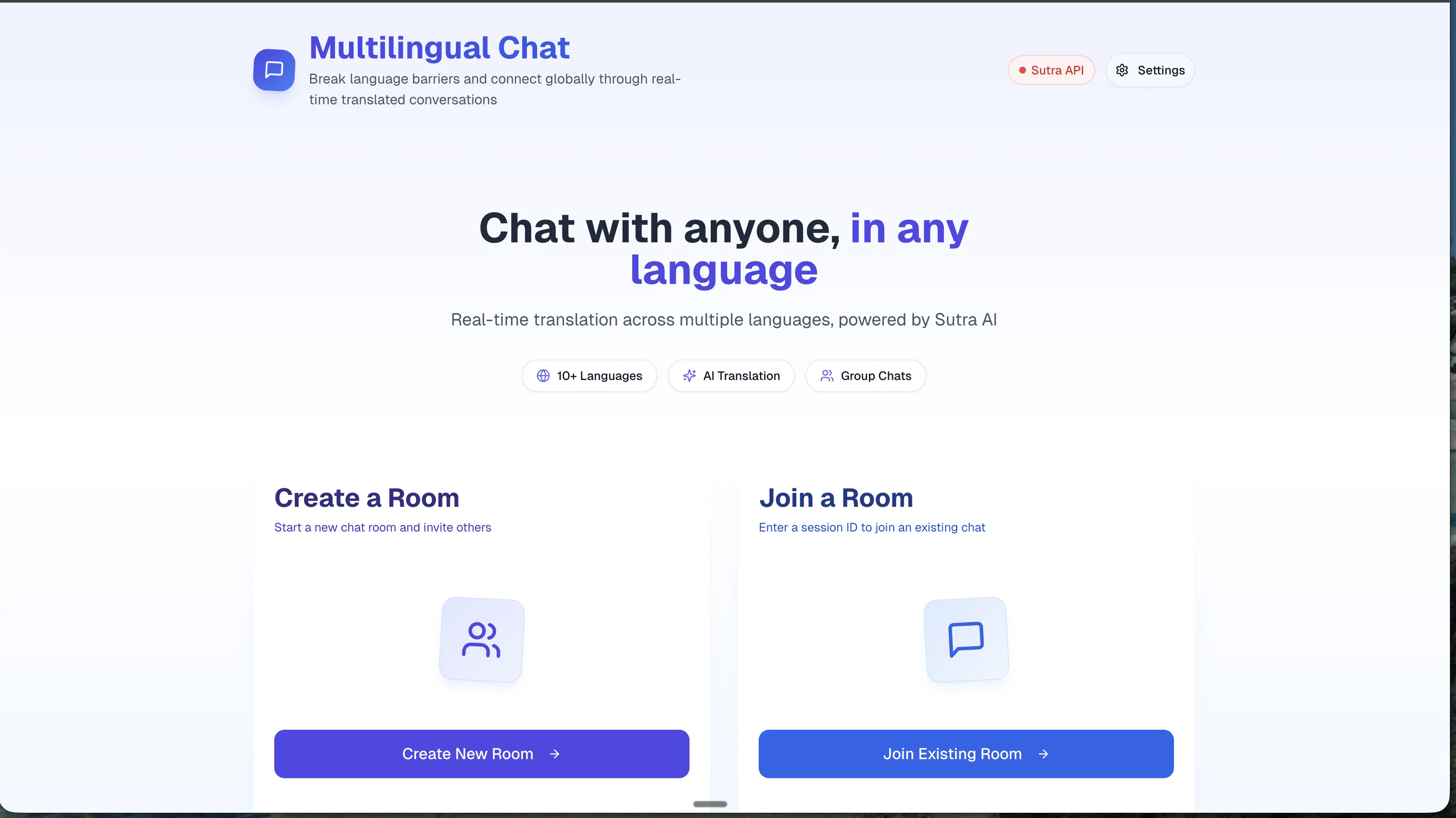
A real-time chat app that breaks language barriers with Sutra AI-powered translation, letting users communicate in 10+ languages within private rooms.
NexiMeet
An all-in-one virtual events platform with live streaming, exhibitor booths, real-time chat, and attendee engagement tools built with Next.js and Stream.
ScrollForge
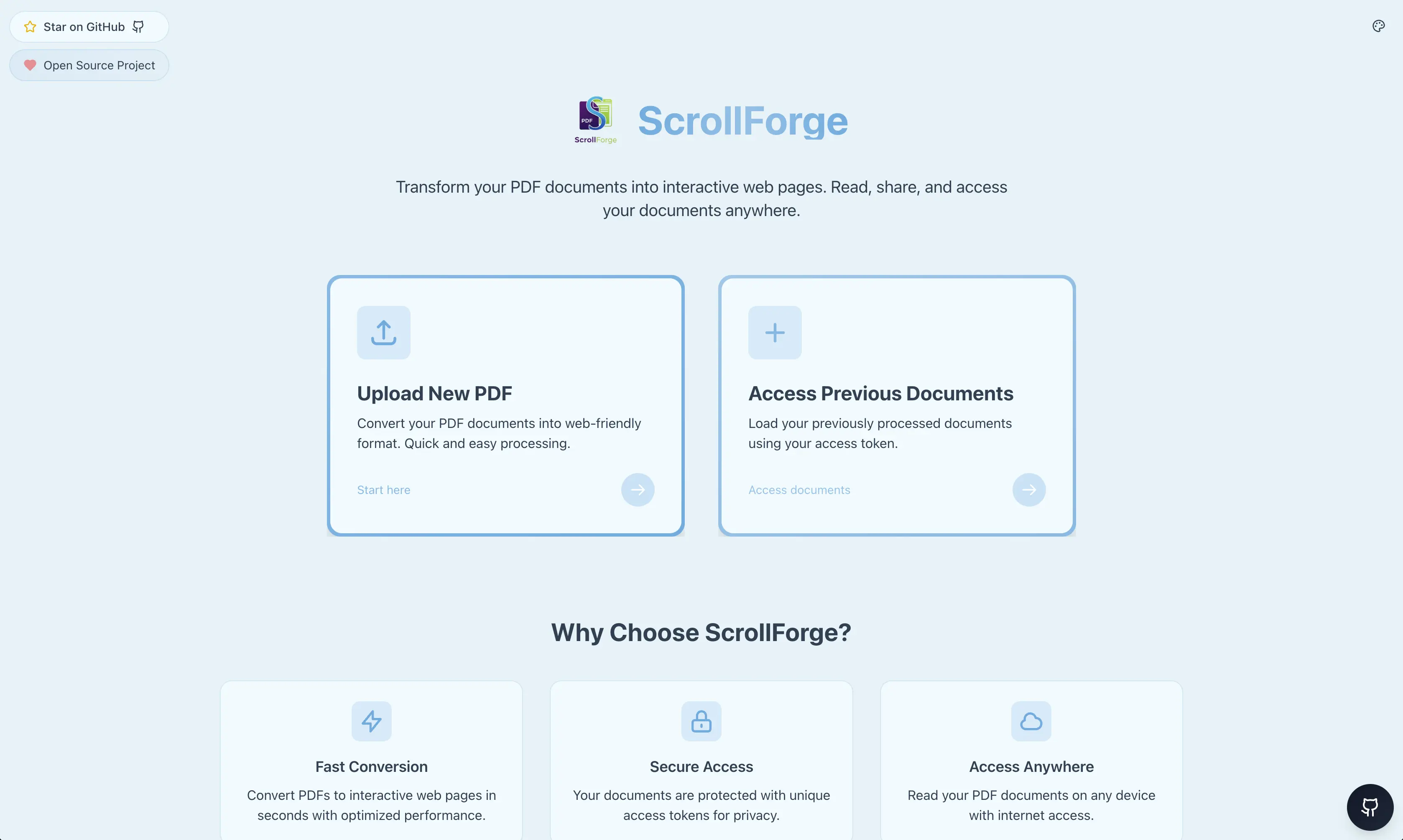
A free, open-source PDF-to-website converter that turns documents into interactive, responsive HTML pages with token-based sharing and a modern reading UI.